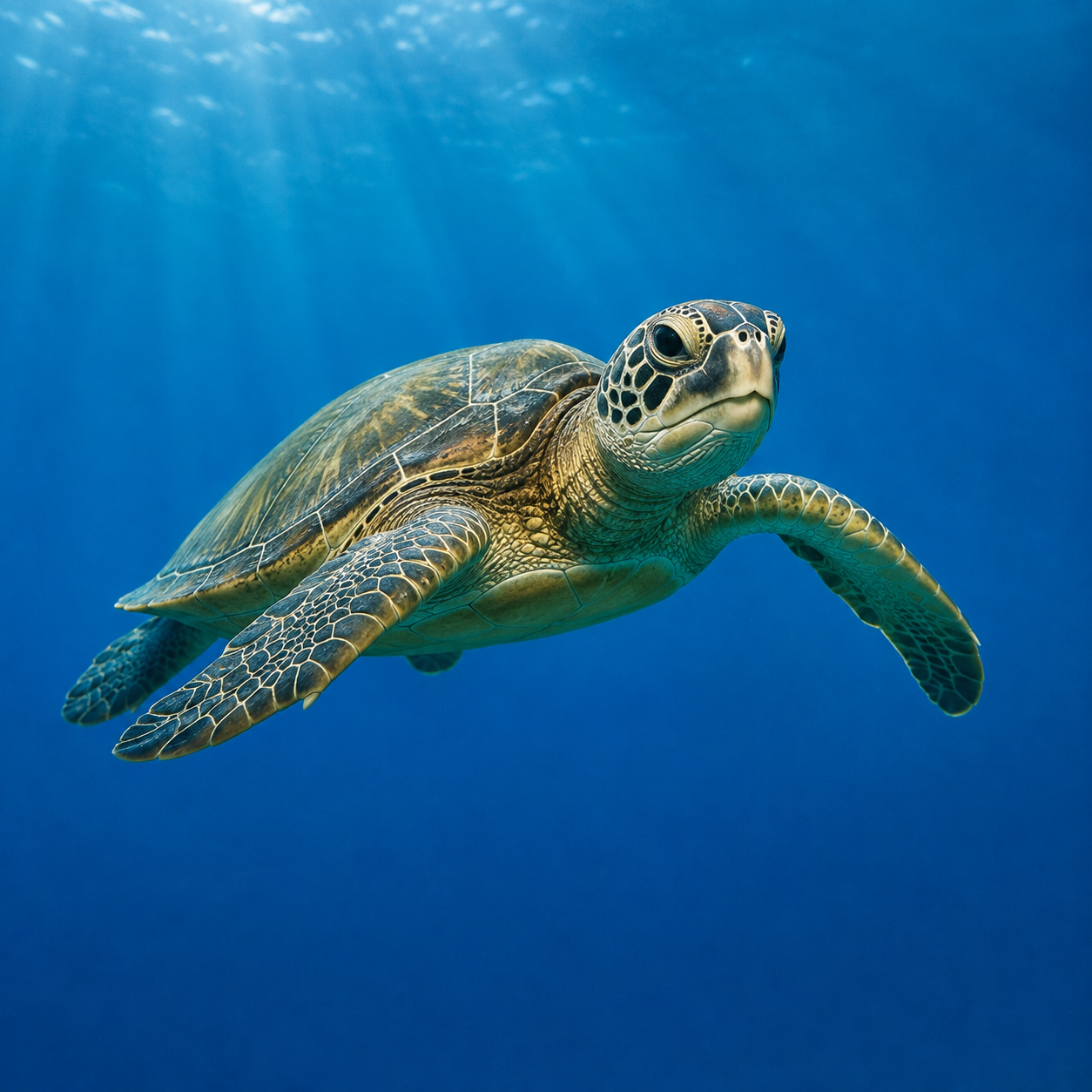
Sea Turtle
Watch from a respectful distance and never block its path to the surface.
Ocean respect
As divers, snorkelers, travelers and visitors, we are guests in fragile environments. Protecting the ocean does not always require a big campaign — often it starts with simple behavior.
Ocean respect
Watch from a respectful distance and never block its path to the surface.
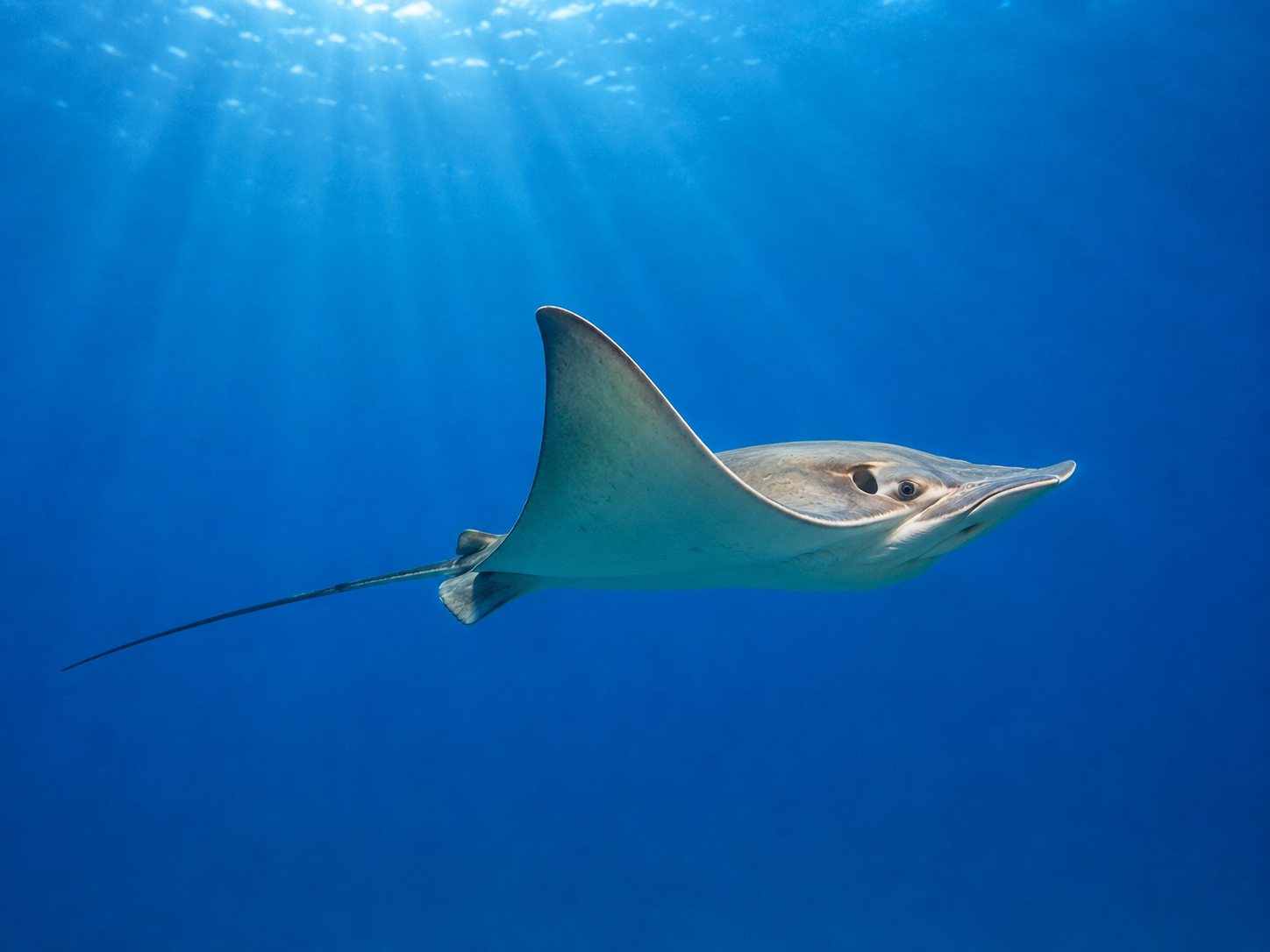
Elegant bottom and blue-water gliders that deserve space and calm observation.
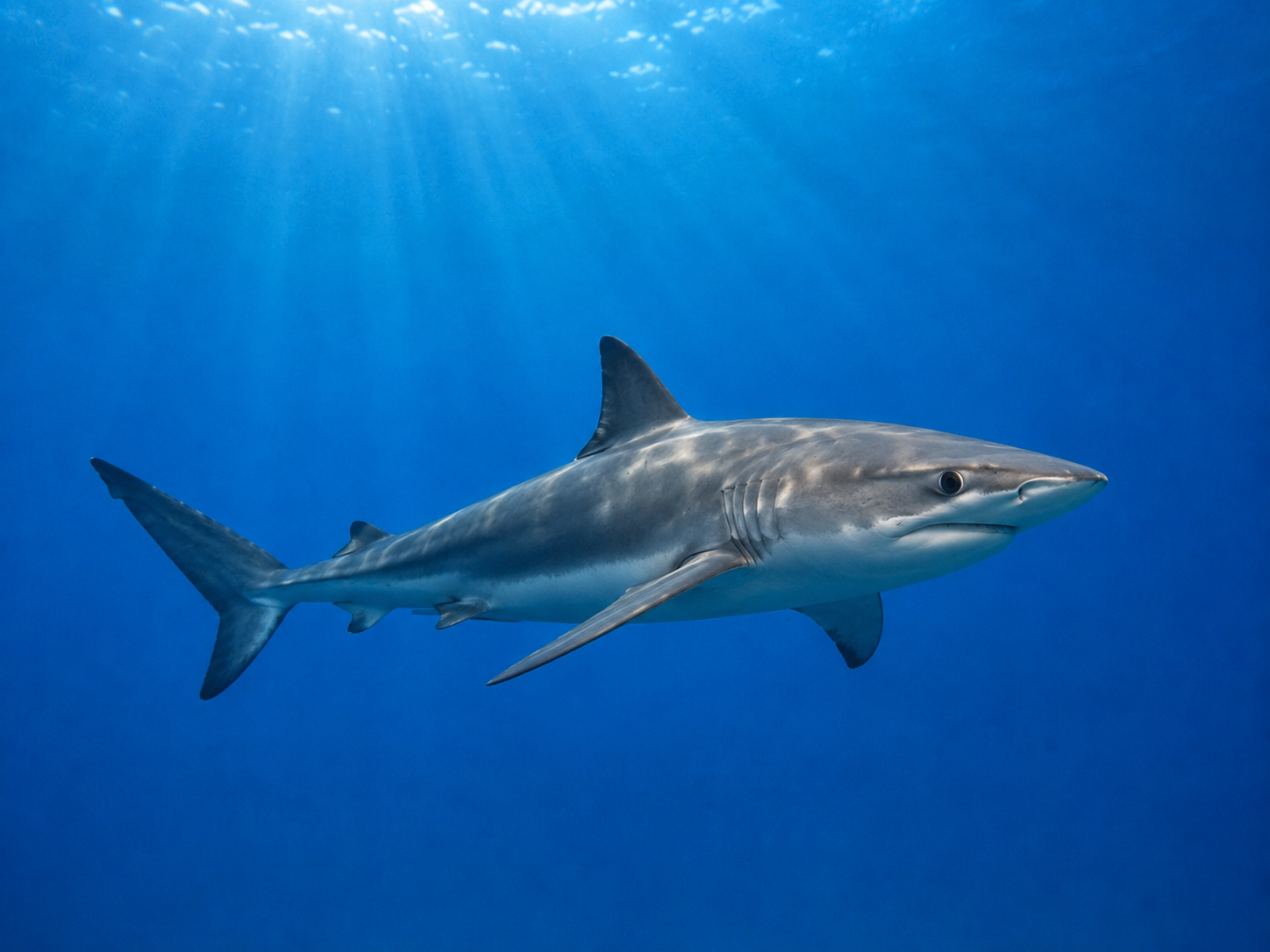
A sign of a healthy ocean — stay calm, stay aware and enjoy the privilege.
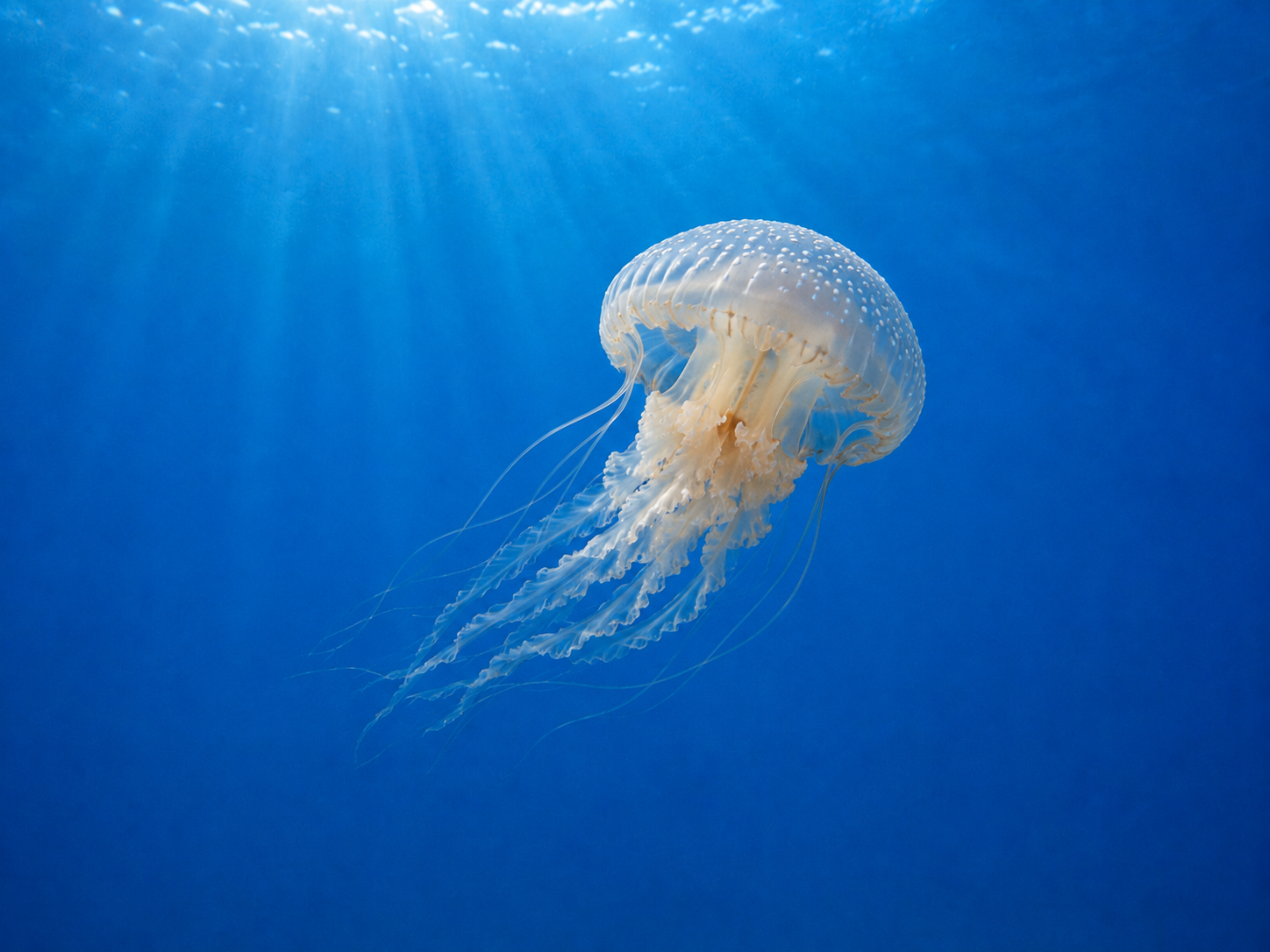
Beautiful drifters. Never touch them — for their safety and yours.
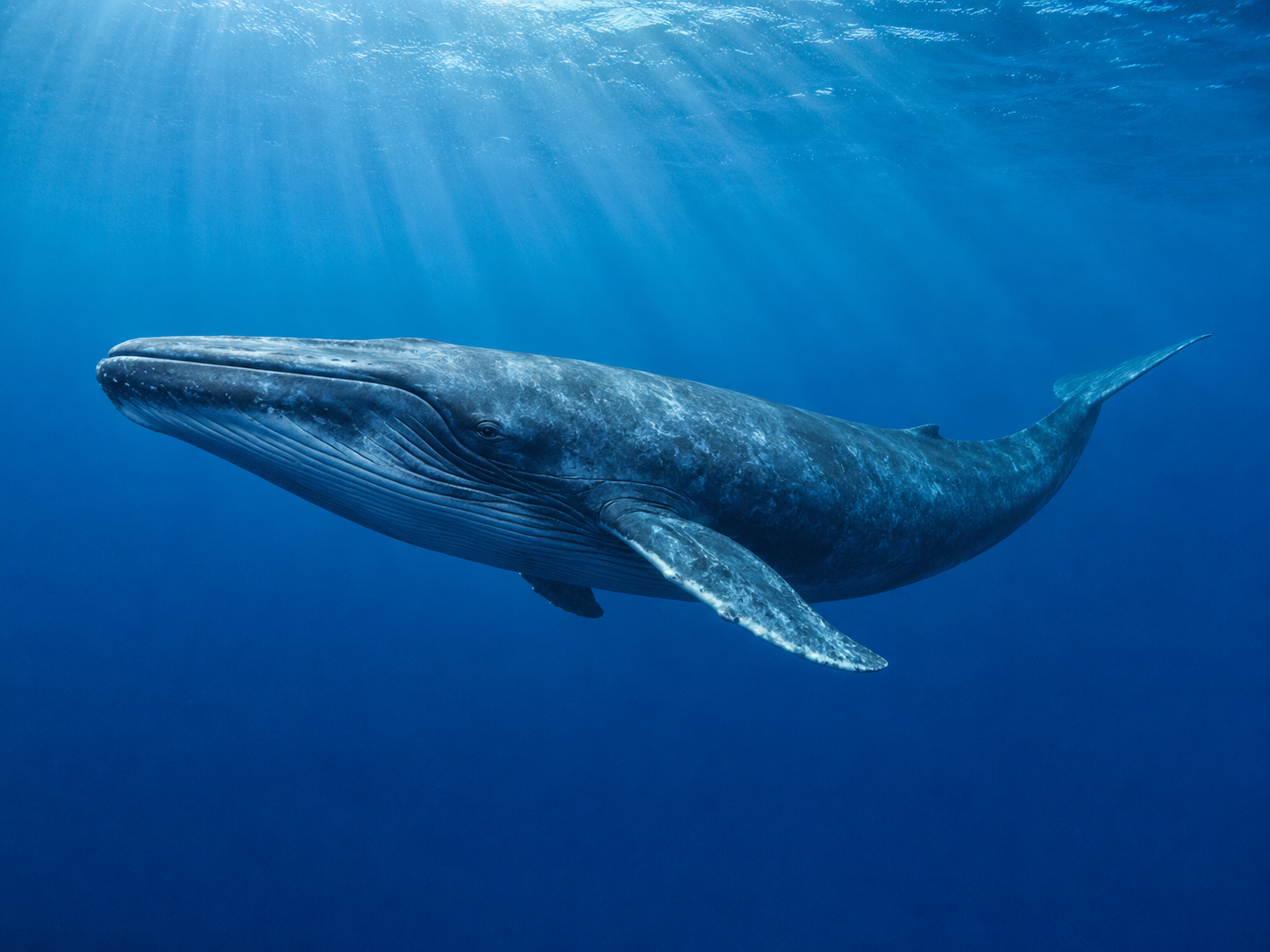
Powerful but peaceful giants best appreciated with patience and respect.
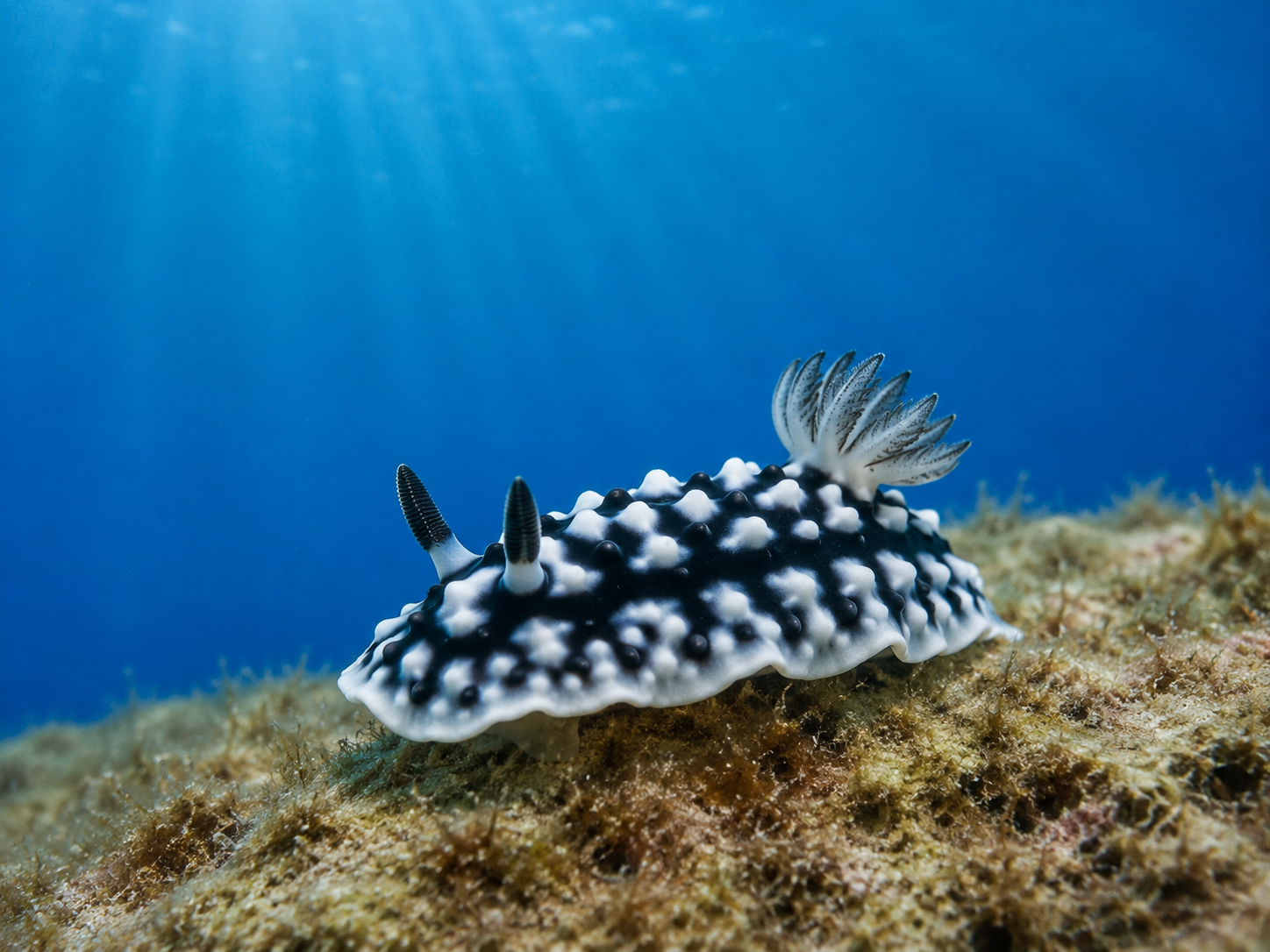
Small details often become the biggest discovery — slow down and look closer.
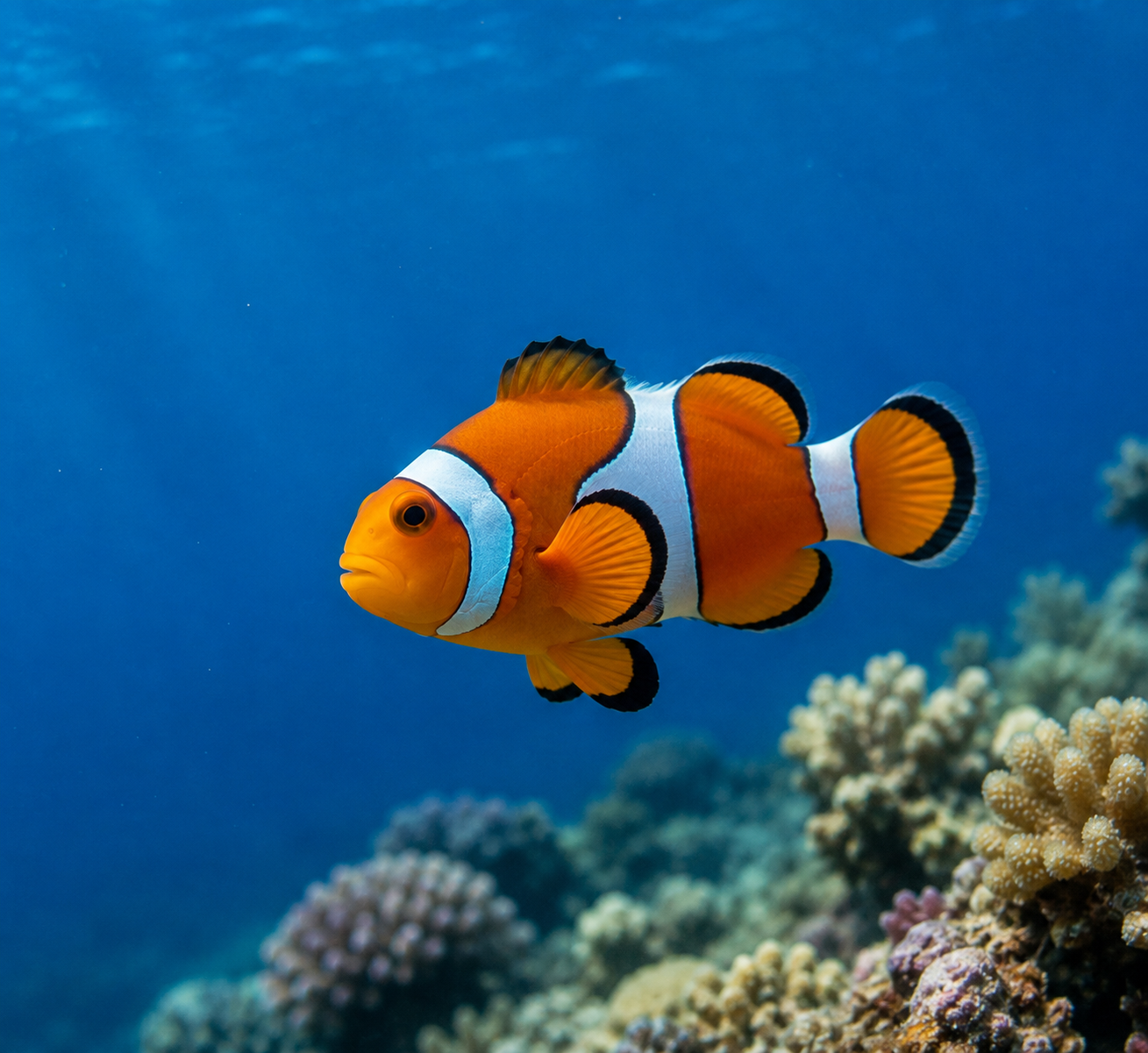
Colorful reef residents that remind us how much life is packed into small spaces.
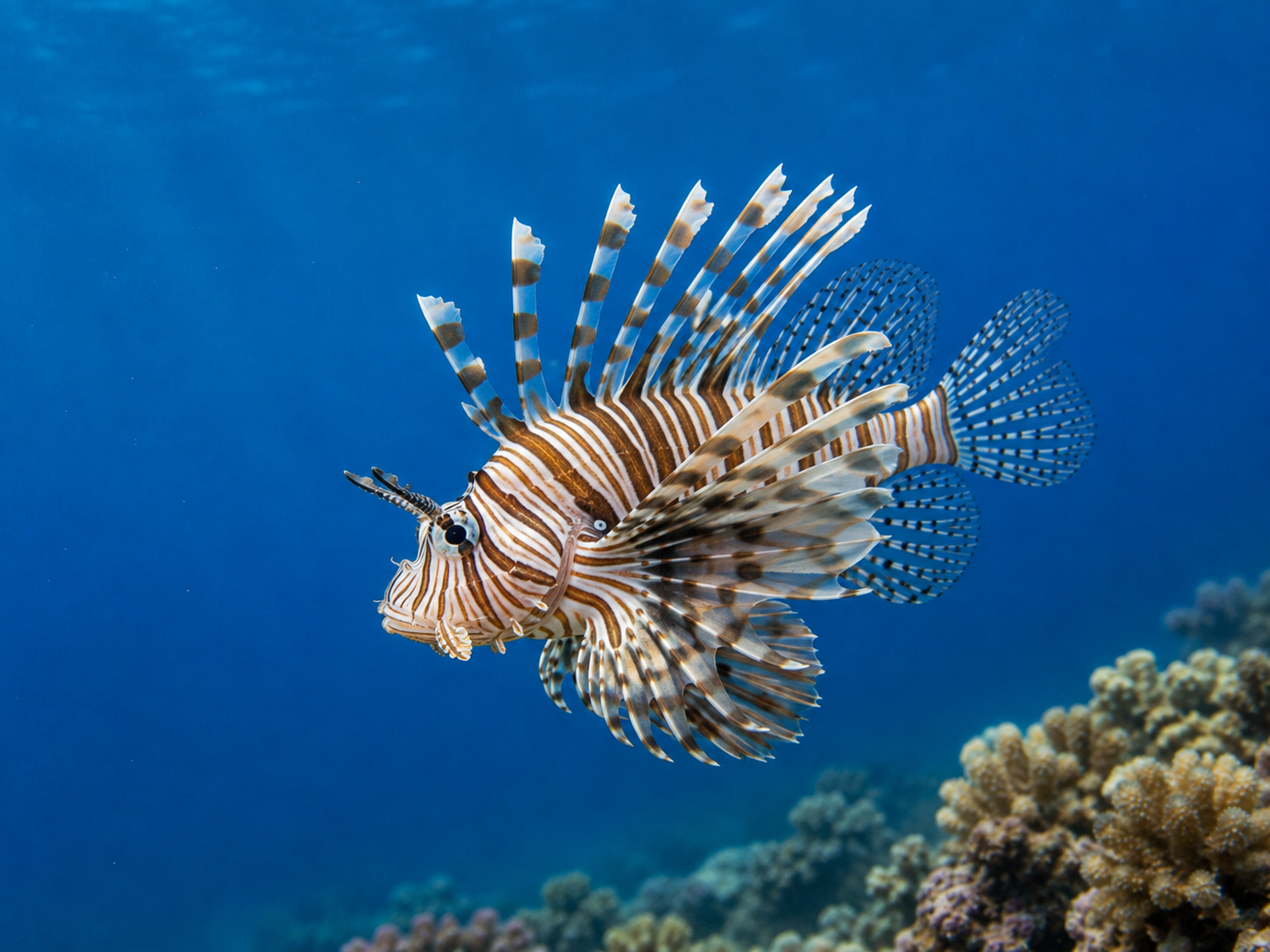
Beautiful but venomous reef hunters — admire, don’t touch, and respect their space.
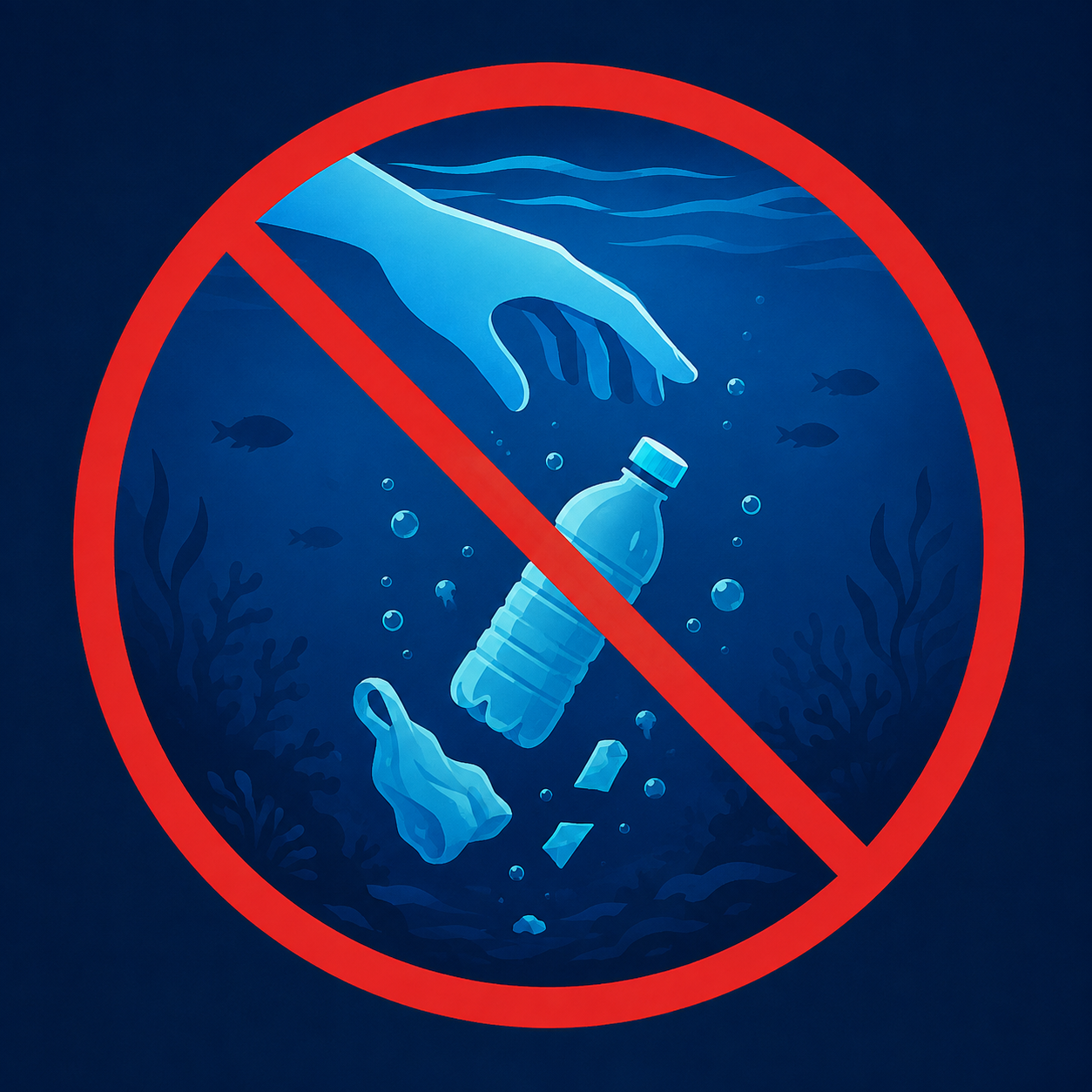 Do not throw away trash
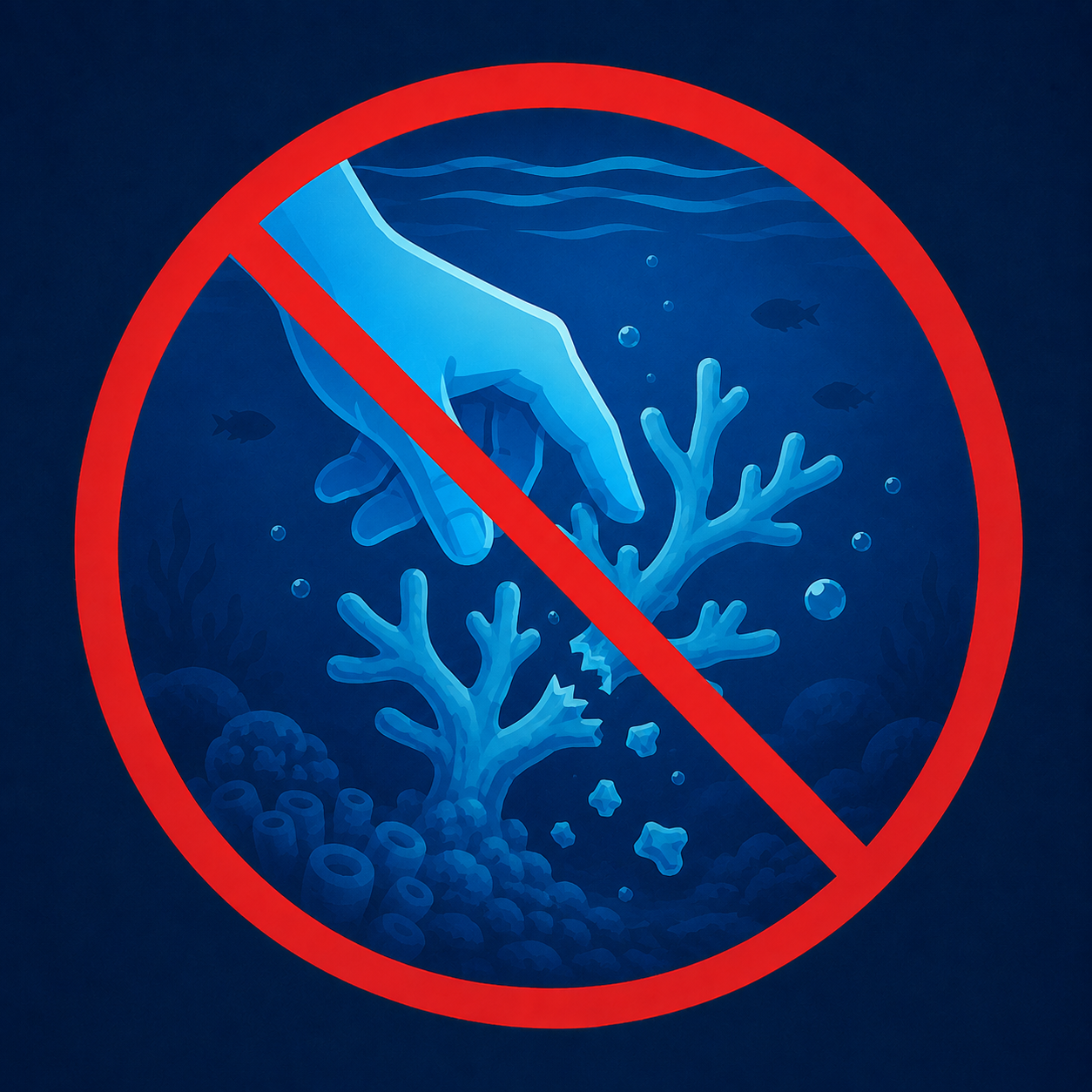 Do not break coral
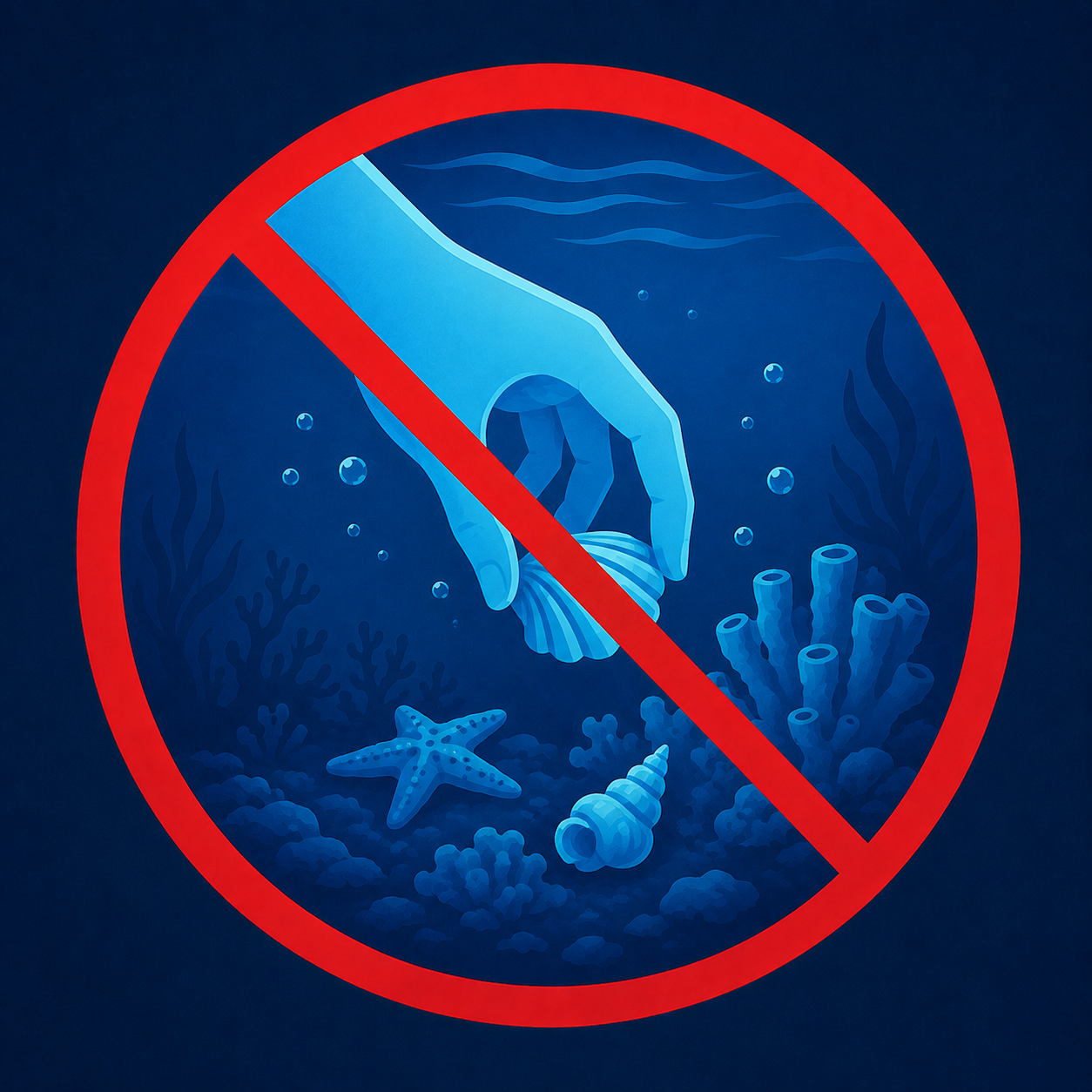 Do not collect shells or souvenirs
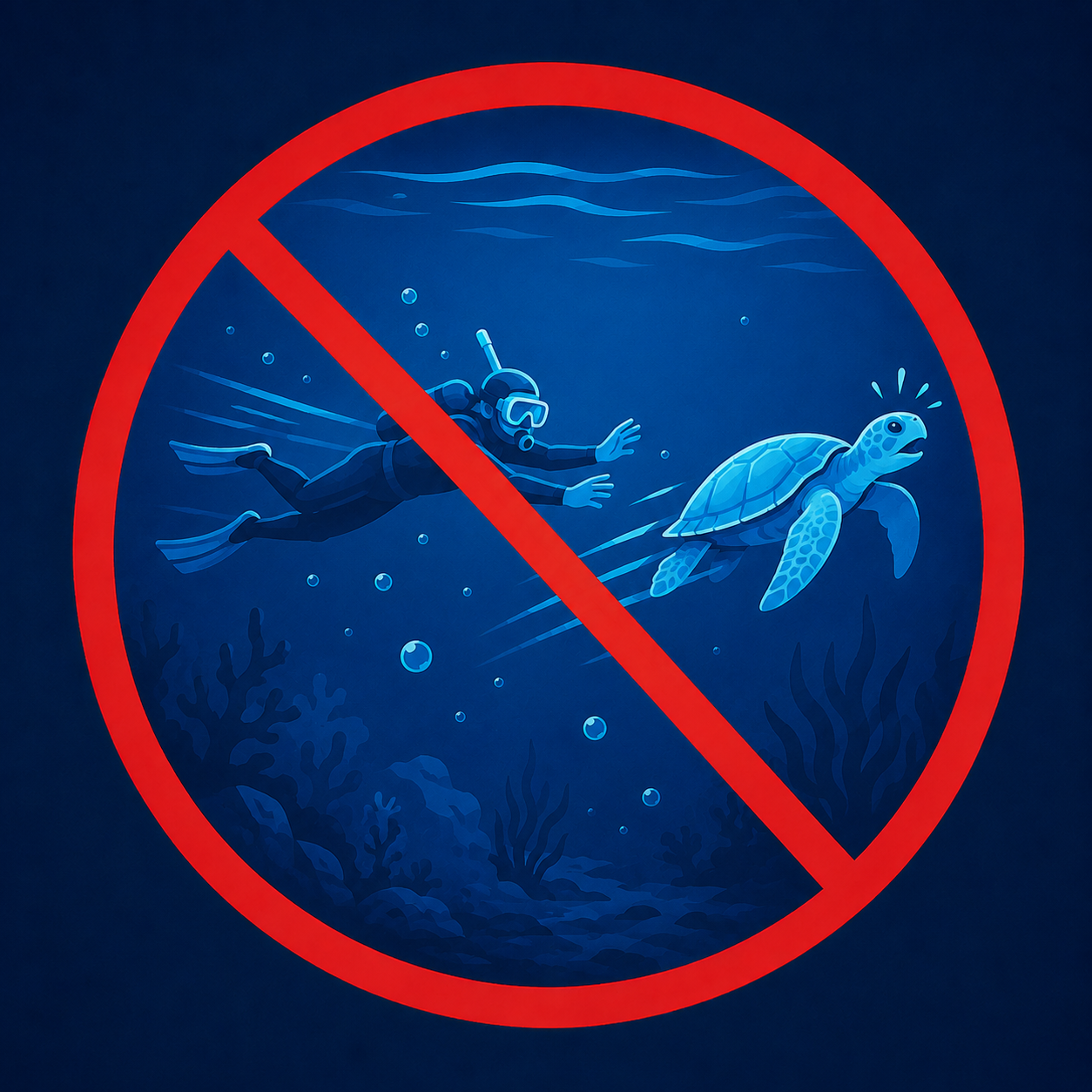 Do not chase animals
As divers, snorkelers, travelers and visitors, we are guests in fragile environments. Protecting the ocean does not always require a big campaign — often it starts with simple behavior.
Credible projects & organisations
Independent organisations and projects working on shark protection, marine science, protected areas, community conservation and ocean education.
International shark and species-conservation organisation focused on healthy shark populations, education, fisheries and policy.
Official websiteScience-based organisation working to secure strong, permanent protection for important ocean places through Blue Parks and MPAtlas.
Official websiteGlobal ocean work covering marine protection, coastal restoration, climate resilience and community-led conservation.
Official websiteAustrian shark-conservation association active in education, events, public awareness and support for international shark projects.
Official websitePhilippine marine-conservation organisation working on ocean-climate action, marine litter, shark conservation and public engagement.
Official websiteRegistered Philippine NGO combining reef monitoring, mangrove restoration, plastics work, education, research and community capacity building.
Official websiteCommunity-led marine conservation supporting coastal communities through waste reduction, sustainable fishing, research and education.
Official websitePhilippine organisation focused on coastal resource management, coral reefs, marine protected areas and sustainable coastal communities.
Official websiteThese links are provided as independent references for visitors who want to learn more or support credible marine-conservation work. Inclusion is not a paid placement or endorsement.