Music is set to start automatically. If your browser blocks autoplay, click Music On once.
Site Navigation

DiverInterCom section

Dive PhilippinesWant to know more

Future guides, dive areas, maps and practical notes for Philippine diving. This section is prepared as a clean placeholder and will be filled step by step.

DiverInterCom local notes

Recommended Manila Dive Stores

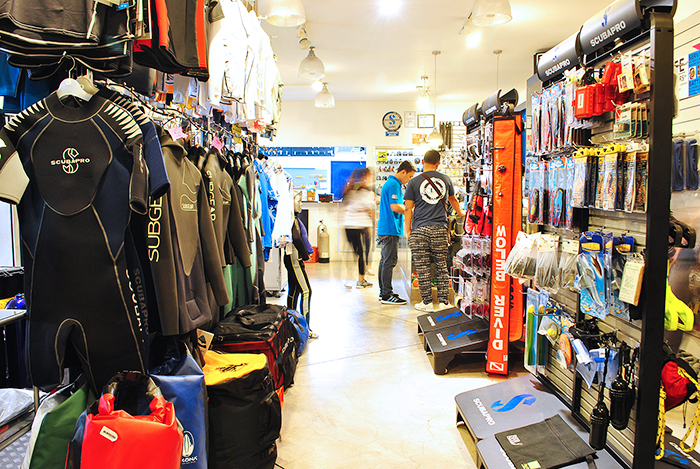
Starter list for divers looking for gear, service and advice in Metro Manila. Always confirm opening hours, availability and service times directly before visiting.

Image courtesy/reference: Aquaventure Whitetip Dive Supply official website.

Aquaventure Whitetip Dive Supply

Long-running Philippines dive supplier with a broad scuba, freedive and technical gear range. Useful for masks, computers, regulators, Ocean Reef products and service-oriented shopping.

Official Website
Pacifica Dive Manila shop image

Image courtesy/reference: Pacifica Dive via Philippine Primer.

Pacifica Dive Manila

City dive shop known for major equipment brands, service support and practical access in Makati. A good stop for travel spares, accessories and equipment checks.

Official Website
Nautilus Dive and Sports Center photo

Image courtesy/reference: Nautilus Dive and Sports Center official website.

Nautilus Dive & Sports Center

Makati dive shop and equipment source for recreational divers, freedivers and travelers who need practical gear, accessories, rental or service options.

Official Website

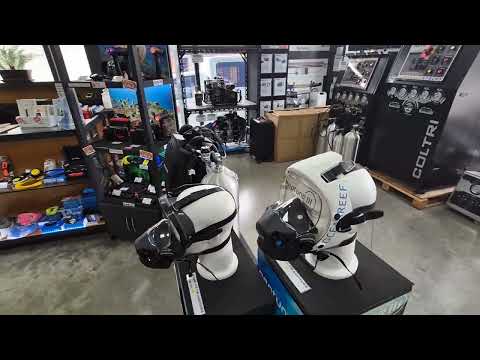
Diving on YouTube

A DiverInterCom video stop for Manila/Philippines diving inspiration.

YouTube diving video preview thumbnail Diving on YouTubeOpen the video on YouTube and follow the dive story from there.Watch on YouTube →

Philippines Dive Map — Famous Dive Spots

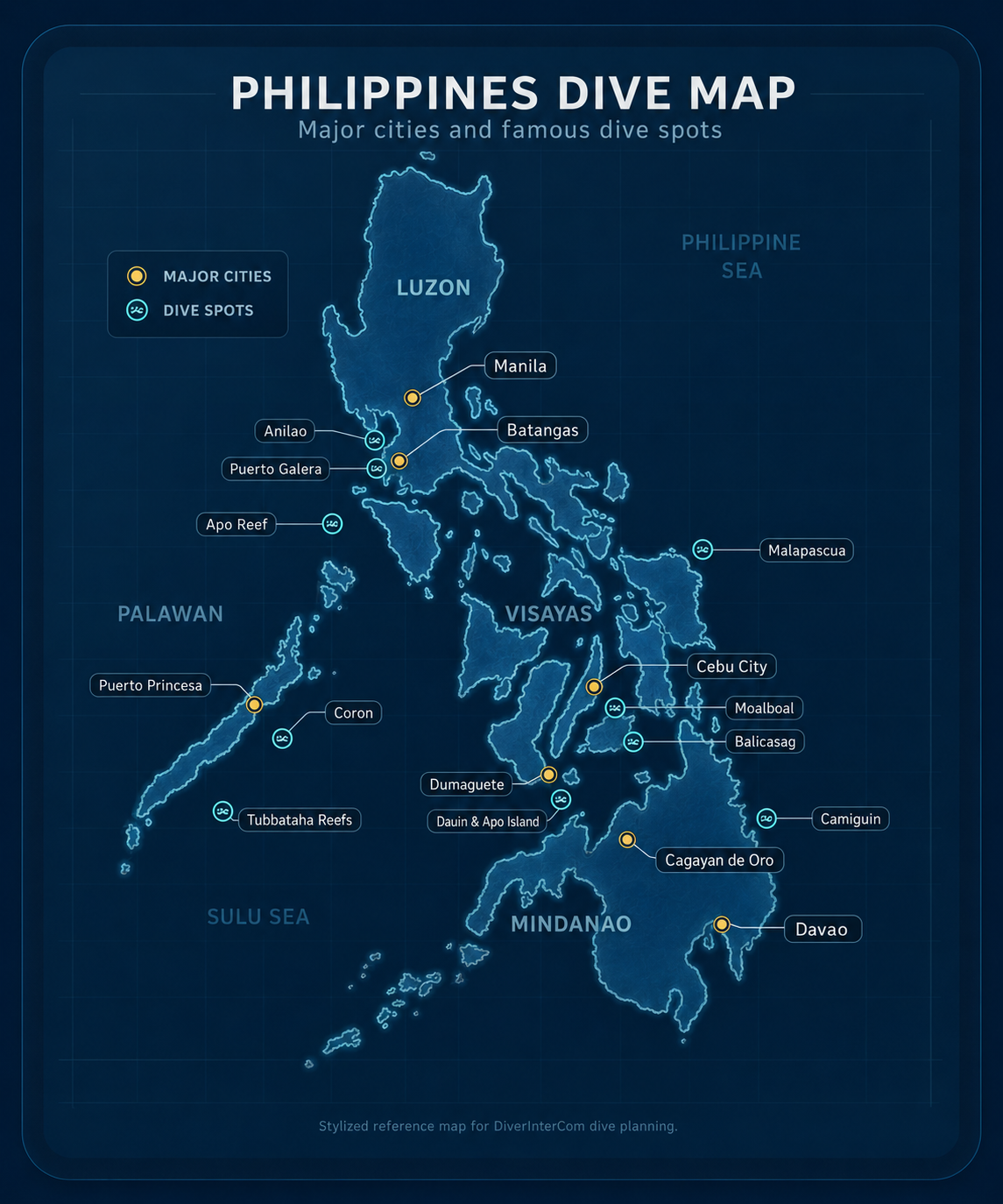
From easy weekend escapes near Manila to remote liveaboard expeditions, the Philippines offers macro life, wrecks, reef walls and big-animal encounters across the archipelago. The map below now uses a more accurate Philippines base outline and marks some of the best-known dive regions for trip planning and future DiverInterCom field notes.

Map of the Philippines with major cities and famous dive spots marked, including Manila, Batangas, Puerto Princesa, Cebu City, Dumaguete, Cagayan de Oro, Davao, Anilao, Puerto Galera, Apo Reef, Coron, Tubbataha Reefs, Malapascua, Moalboal, Dauin and Apo Island, Balicasag and Camiguin

Quick guide to the map

The Philippines is a world-class dive destination because it combines easy access, extraordinary biodiversity and a huge range of underwater styles. In one country you can move from weekend macro diving to deep wrecks, drift dives, sardine runs and remote reef systems.

This updated map keeps the country shape much closer to the real archipelago while still matching the DiverInterCom visual style. It highlights the major island groups and the famous dive areas most divers recognize first.

  • Near Manila: Anilao and Puerto Galera remain top choices for weekend diving and training trips.
  • Visayas favorites: Malapascua, Moalboal, Dauin/Apo Island and Balicasag combine macro life, sardines, turtles and shark opportunities.
  • Bucket-list trips: Coron, Apo Reef and Tubbataha are iconic for wrecks, reef walls and big-animal encounters.

1Anilao, Batangas

Classic Manila weekender and macro hotspot with nudibranchs, frogfish and rich reefs — a favorite for underwater photographers.

2Puerto Galera, Mindoro

Fast access from Manila and known for drift dives, reef walls, nightlife and the biodiversity of the Verde Island Passage.

3Apo Reef, Occidental Mindoro

Huge reef system with blue water, drop-offs and pelagic potential — ideal for divers who want bigger scenery and a more expedition feel.

4Coron, Palawan

One of the world’s best wreck-diving destinations, famous for dramatic Japanese WWII wrecks, caverns of steel and fish life.

5Tubbataha Reefs

UNESCO-listed liveaboard dream destination in the Sulu Sea, celebrated for pristine reefs, sharks, strong walls and big marine life.

6Malapascua, Cebu

Globally famous for early-morning thresher shark encounters, with extra reef and macro diving around the island.

7Moalboal, Cebu

Known worldwide for the sardine run, colorful reef slopes and frequent turtle encounters in clear, diver-friendly conditions.

8Dauin & Apo Island

Dauin offers superb black-sand macro diving, while nearby Apo Island adds coral gardens, drift dives and healthy turtle populations.

9Balicasag, Bohol

Beloved for bright walls, schooling jacks, turtles and clean visibility — one of the best-known Bohol dive day trips.

10Camiguin, Mindanao

A quieter volcanic-island option with reefs, slopes and photo-friendly life — ideal for divers who want a calmer, less crowded atmosphere.

Diving the Philippines by Region

From Manila weekends to remote island expeditions, the Philippines is not one single dive destination. Each region has its own underwater character, travel rhythm and level of accessibility — from macro and wreck diving close to major cities to remote blue-water reef systems reached only by longer transfers or liveaboard.

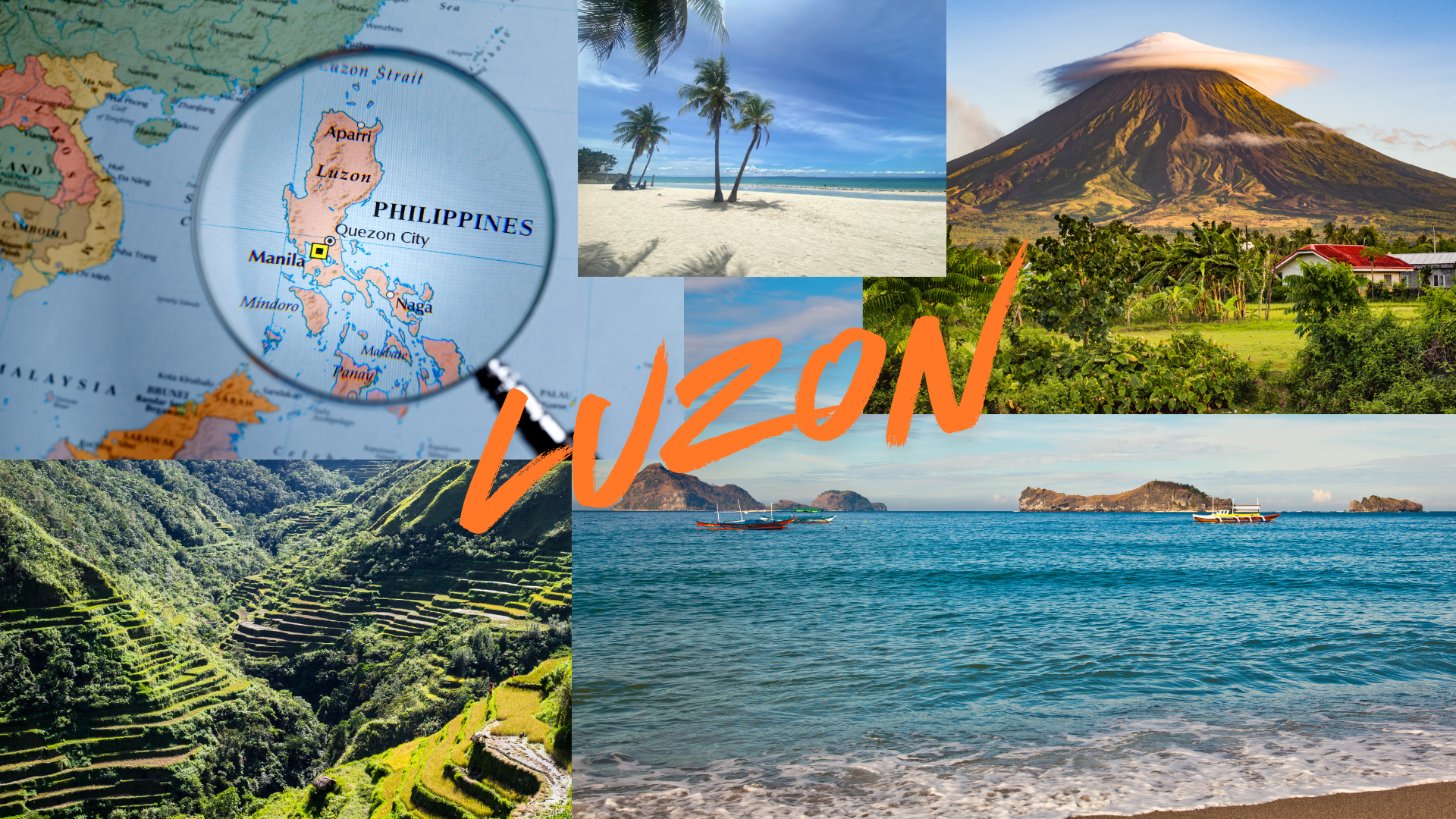
Luzon collage for Dive Philippines showing map and northern Philippines landscapes

Luzon

Easy access from Manila — macro, wrecks and weekend diving.

For visitors arriving in Metro Manila, Luzon provides some of the easiest access to serious scuba diving in the country.

Anilao / Mabini, Batangas

One of the classic Philippine dive destinations, particularly famous for macro life, nudibranchs, frogfish, unusual critters and underwater photography. The area also offers reefs, walls and relaxed recreational diving, making it a favorite for weekend trips, training and short dive holidays.

Batangas coast

The broader Batangas coastline provides several coastal diving areas south of Manila and forms an important gateway toward the Verde Island Passage.

Subic Bay

Northwest of Manila, Subic offers a very different experience. It is known primarily for wreck diving and is especially interesting for divers who enjoy ships, machinery and history.

Bicol / Ticao area

Farther south, parts of the Bicol region and Ticao area offer a more expedition-oriented style of diving with less emphasis on large resort infrastructure.

Main gateway: Manila
Best known for: Anilao macro diving, Batangas reefs and Subic wrecks.
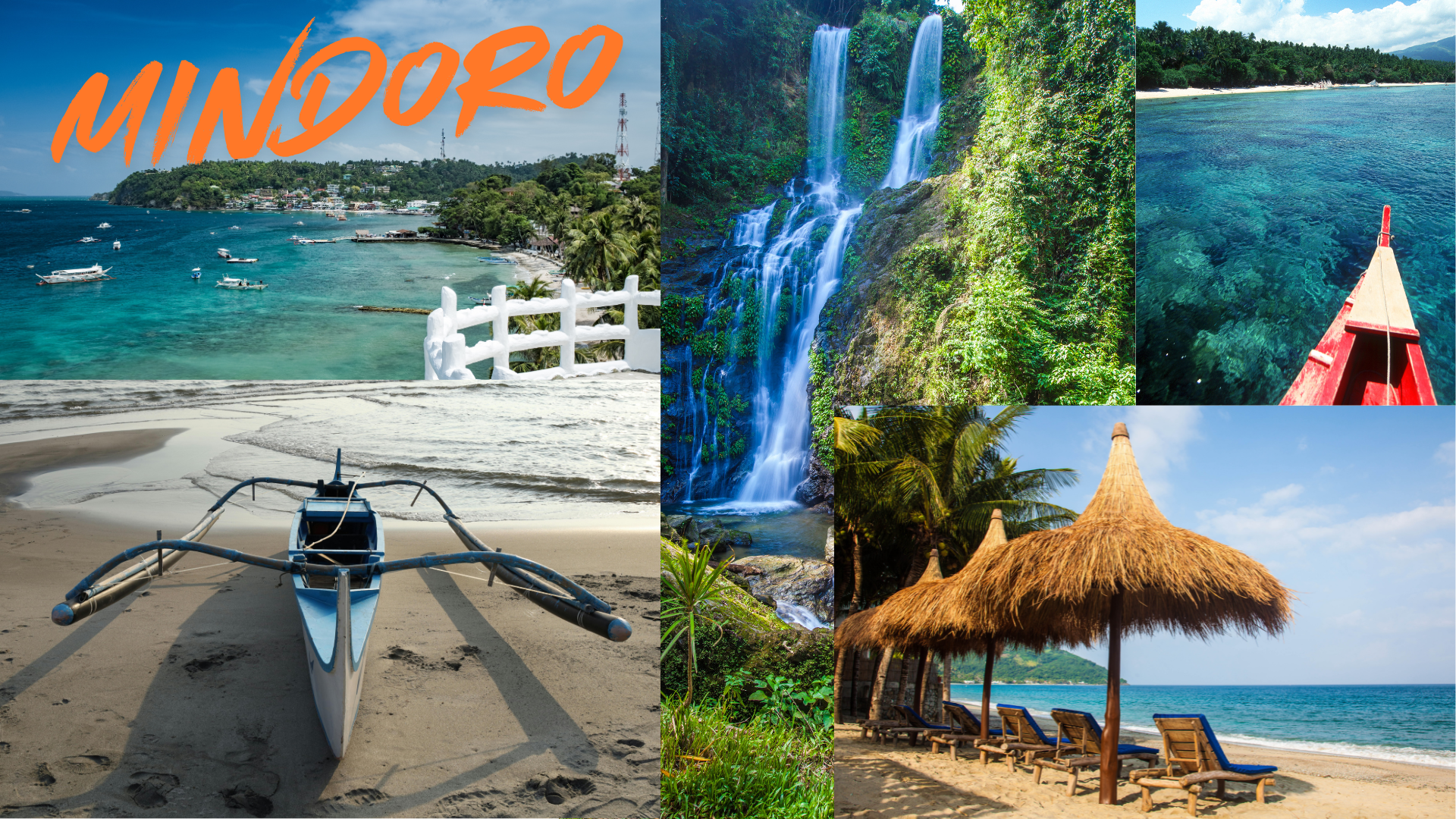
Mindoro collage for Dive Philippines showing coastlines, waterfalls and tropical beach scenes

Mindoro

Puerto Galera, Verde Island and Apo Reef.

Mindoro deserves to be considered a diving region in its own right.

Puerto Galera

On the northeastern side of the island, Puerto Galera has been one of the Philippines’ best-known diving destinations for decades. Reefs, walls, drift diving, macro life and easy access to the biologically rich Verde Island Passage make it suitable for relaxed recreational diving as well as more advanced current diving.

Verde Island

Nearby Verde Island is known for dramatic underwater scenery, dense fish populations and stronger currents.

Apo Reef / Sablayan

On the opposite side of Mindoro lies Apo Reef, one of the major offshore reef systems of the Philippines. Trips commonly operate from the Sablayan area and offer blue-water diving, walls, large reef structures and the chance of pelagic encounters.

Pandan Island

Another useful western-Mindoro diving base, often associated with trips toward Apo Reef and local reef diving.

Travel note: Puerto Galera lies in northeastern Mindoro, while Apo Reef lies west of Occidental Mindoro. They are both associated with Mindoro, but they are very different diving trips.

Main access: Manila/Batangas for Puerto Galera; regional transfers for western Mindoro.
Best known for: Puerto Galera, Verde Island Passage and Apo Reef.
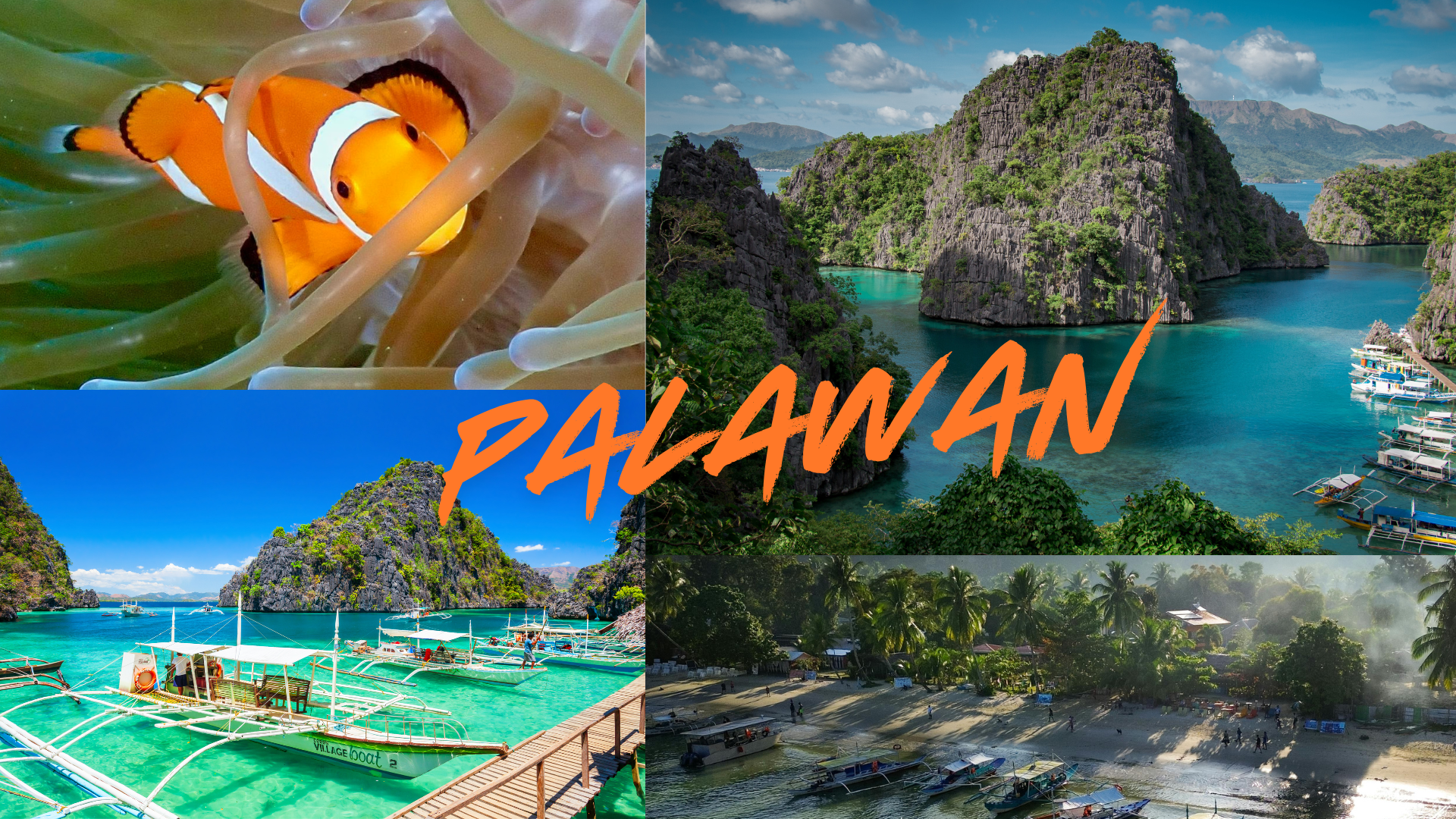
Palawan collage for Dive Philippines showing reefs, lagoon scenery and island coastlines

Palawan

Wrecks, limestone islands and remote reef expeditions.

Palawan offers some of the most dramatic travel-and-diving combinations in the Philippines.

Coron

Internationally famous for its Japanese WWII shipwrecks. Several large wrecks provide opportunities ranging from recreational external exploration to more advanced penetration diving, with surrounding reefs and limestone scenery adding variety.

Puerto Princesa

An important travel hub and the principal departure point for many expeditions to Tubbataha Reefs Natural Park.

Tubbataha Reefs

Far offshore in the Sulu Sea, Tubbataha is fundamentally different from resort-based Philippine diving. It is primarily a liveaboard destination known for extensive reef systems, walls, sharks, pelagic life and remote blue-water diving.

El Nido & Port Barton

El Nido is best known for spectacular limestone landscapes and island hopping, with reef diving also available around the area. Port Barton offers a quieter coastal alternative for travelers moving through Palawan.

Main gateways: Puerto Princesa and Busuanga/Coron.
Best known for: Coron wrecks and Tubbataha liveaboards.
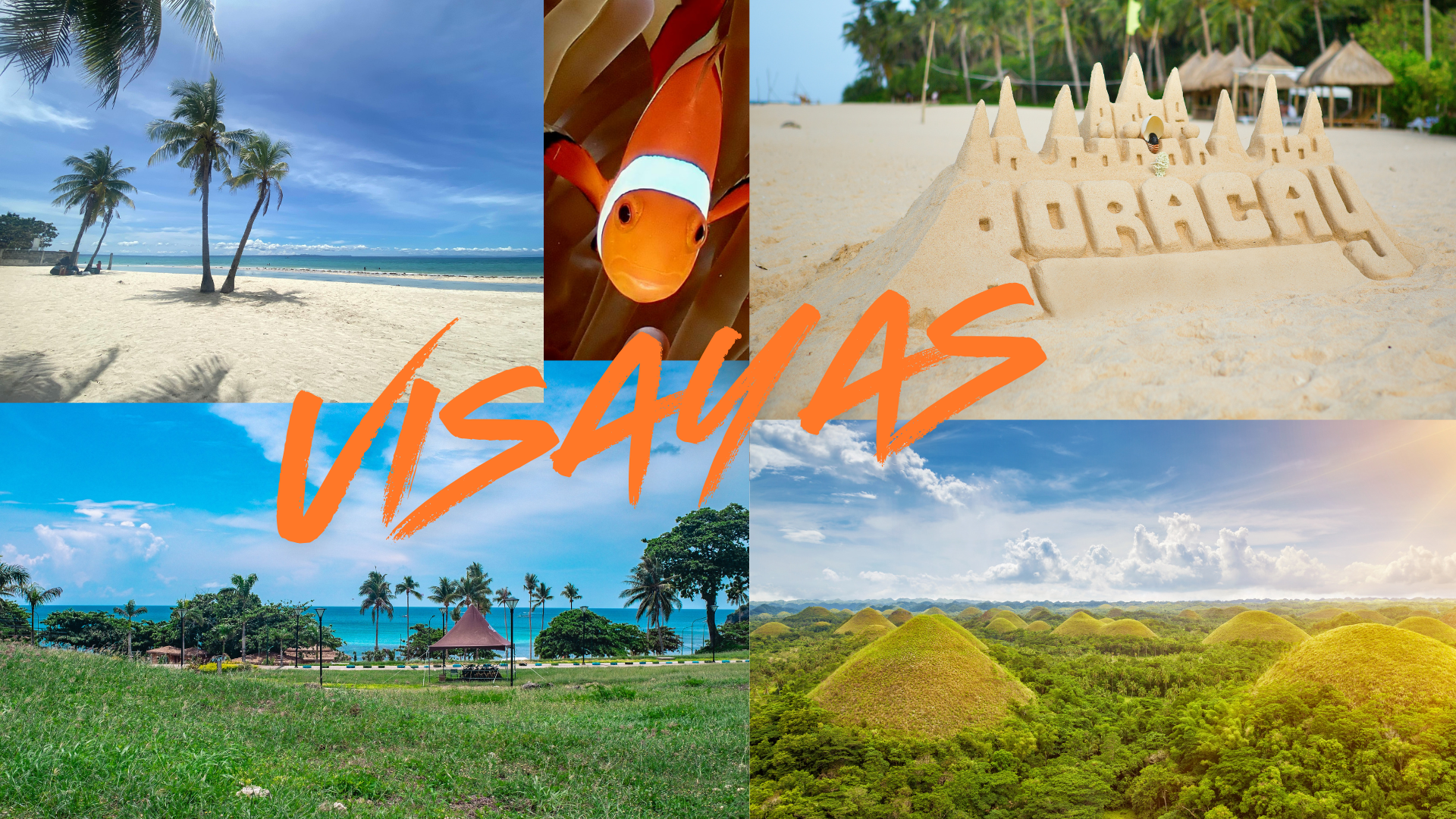
Visayas collage for Dive Philippines showing beach, islands, clownfish and Chocolate Hills

Visayas

Some of the densest and most varied diving in the country.

For many traveling divers, the Visayas are the heart of Philippine resort diving. One of their biggest advantages is accessibility.

Cebu / Mactan

Cebu City has a major international airport, and diving begins almost immediately around Mactan Island.

Malapascua

Internationally associated with thresher shark encounters and supported by additional reef and macro diving around the island.

Moalboal

Famous for its enormous sardine schools, turtles and steep reef walls.

Bohol / Panglao / Balicasag

Walls, turtles, schooling fish and clear tropical reef diving with easy resort access.

Dumaguete / Dauin / Apo Island

Dauin’s dark volcanic sand is famous for unusual small marine life and macro photography, while nearby Apo Island offers coral reefs, turtles and current-assisted diving.

Siquijor

A quieter island option with reef walls and a relaxed tourism atmosphere.

Major gateways: Cebu City and Dumaguete.
Best known for: Malapascua sharks, Moalboal sardines, Dauin macro, Apo Island and Balicasag.
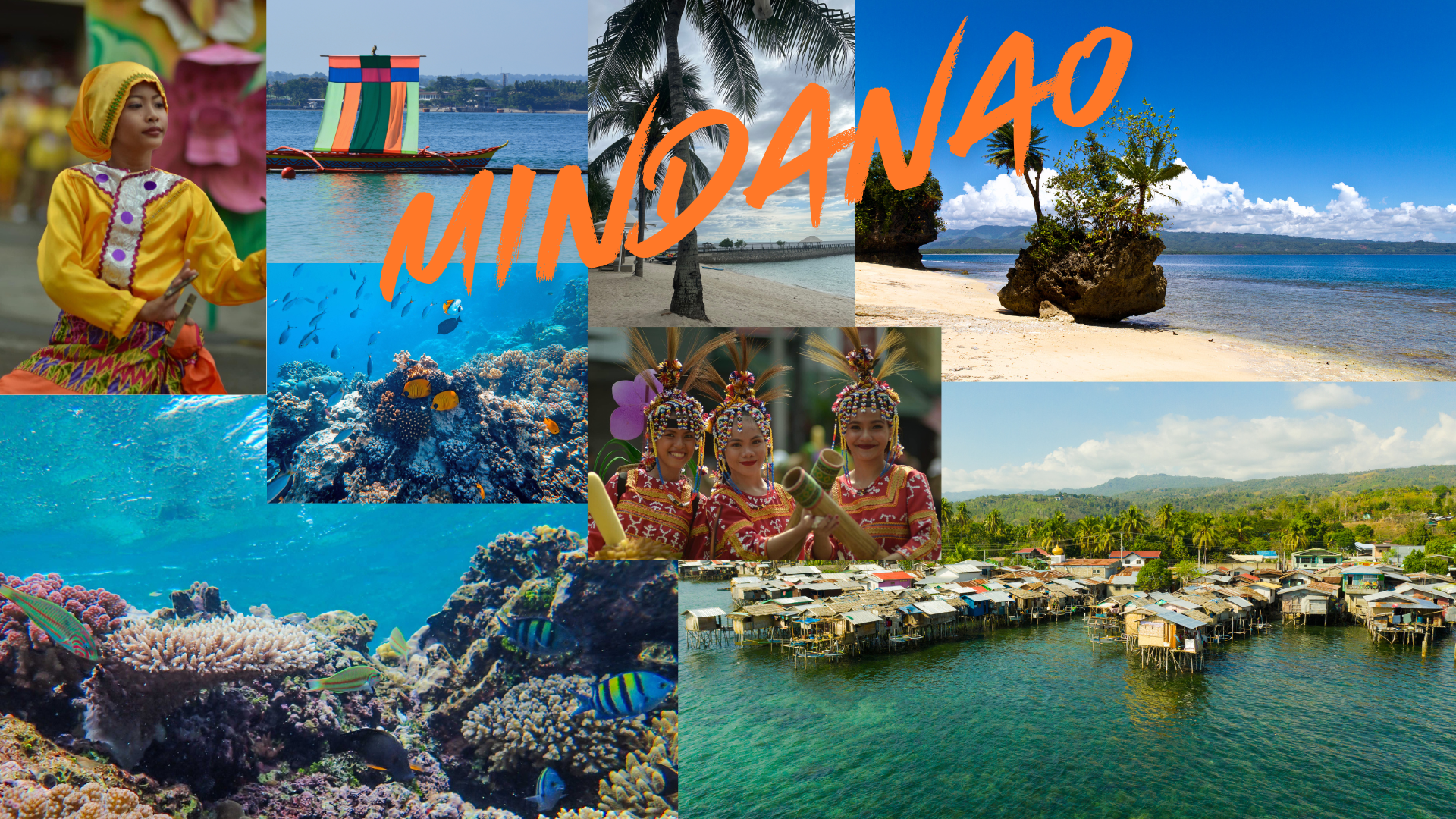
Mindanao collage for Dive Philippines showing culture, reefs and coastal scenery

Mindanao

Volcanic islands and less-traveled diving.

Mindanao and its surrounding islands receive less international dive-tourism attention than Cebu, Bohol or Palawan, but there is still plenty to explore.

Camiguin

A volcanic island north of Mindanao with reefs, slopes and a quieter atmosphere than many of the country’s major resort areas.

Davao / Samal Island

Samal Island and the Davao Gulf provide one of the clearest examples of diving close to a major Philippine city, making the area especially interesting for travelers visiting Mindanao for reasons beyond diving.

Sarangani Bay / General Santos

Southern Mindanao diving with reefs and a less heavily developed international tourism scene.

Major gateways: Davao City, Cagayan de Oro and General Santos.
Best known for: Camiguin, Samal Island and less-crowded regional diving.

Dive From the City

One of the most practical ways to plan a Philippines diving trip is to start with the city or gateway where you arrive.

Major gatewayNearby diving
ManilaAnilao, Batangas, Subic Bay; Puerto Galera with additional land/sea transfer.
Cebu CityMactan immediately; Moalboal and Malapascua by road and transfer.
DumagueteDauin and Apo Island.
Puerto PrincesaLocal Palawan diving and major gateway for Tubbataha liveaboards.
Davao CitySamal Island and Davao Gulf.
General SantosSarangani Bay region.
Cagayan de OroGateway toward northern Mindanao and Camiguin.
Macro & underwater photographyAnilao, Dauin and Puerto Galera.
Wreck divingCoron and Subic Bay.
Sharks & bigger marine lifeMalapascua, Tubbataha and selected offshore reef systems.
Reefs & turtlesApo Island, Balicasag, Bohol, Moalboal and many areas of the Visayas.
Easy city accessAnilao from Manila, Mactan from Cebu City, Dauin from Dumaguete and Samal from Davao.
Remote expedition divingTubbataha and selected western Philippine offshore destinations.
DiverInterCom Note: The Philippines rewards divers who do not treat it as one destination. A week based around Manila can feel completely different from a week in the Visayas. Coron is different again, and a Tubbataha liveaboard belongs almost in a category of its own. One country — many different underwater worlds.
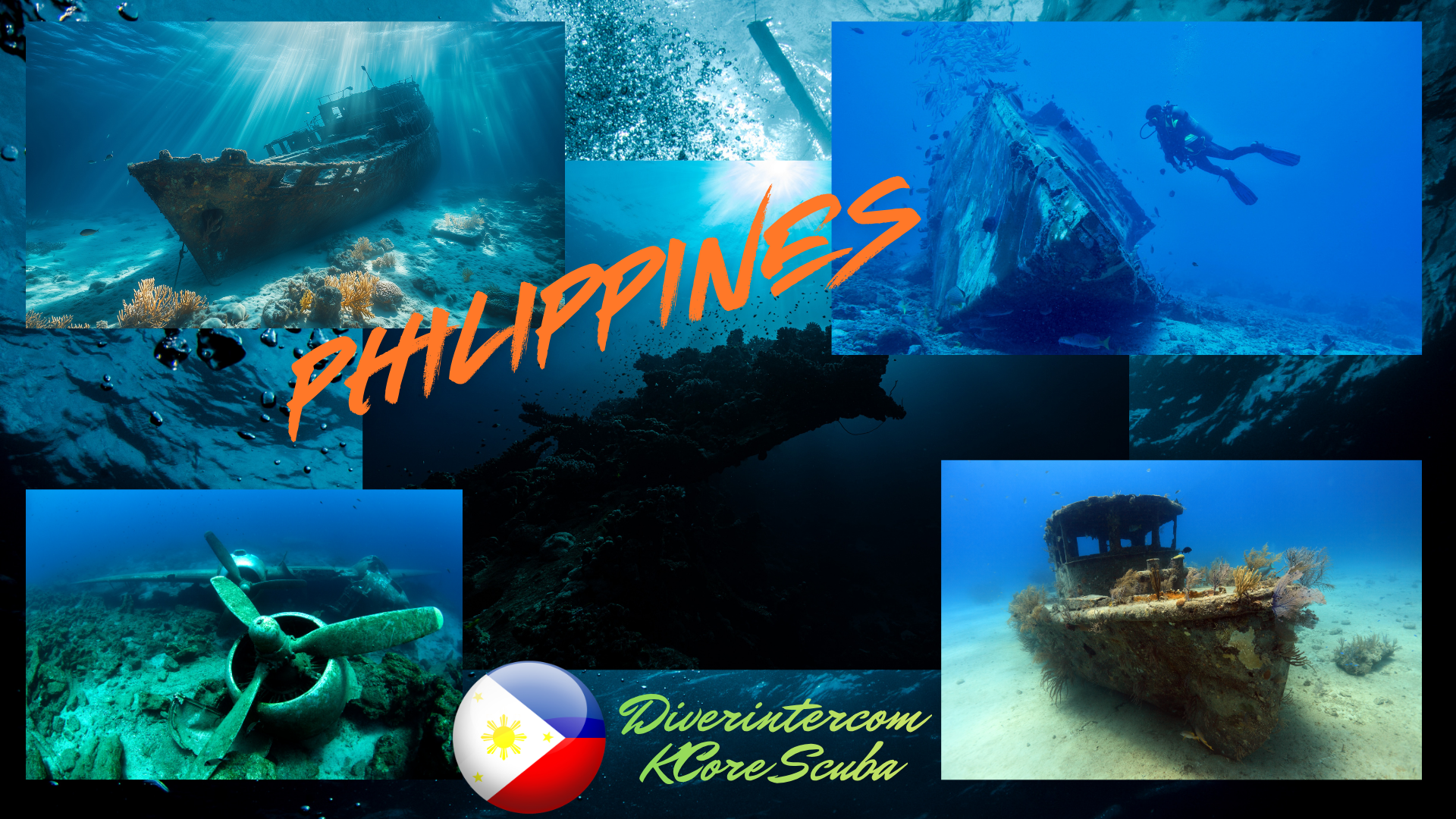
Philippines wreck diving

Wreck Diving Philippines — History Beneath the Sea

The Philippines is famous for reefs, macro life and tropical islands, but it also holds an exceptional range of diveable wrecks. From the Japanese fleet sunk around Coron in 1944 to Subic Bay's layered naval history, shallow landing craft, passenger ferries and deep technical targets, wreck diving here reaches far beyond the usual tourist highlights.

Philippines wreck diving collage with multiple underwater wreck scenes

More than Coron

Coron is the country's internationally famous wreck destination, but it is only part of the story. Subic Bay combines Spanish-American War, Second World War and later U.S. naval history. Malapascua hides several surprisingly serious wrecks beneath its thresher-shark reputation, while Puerto Galera mixes artificial reefs, historical remains and technical-depth wrecks into one of the Philippines' most varied dive regions.

Quick depth guide

0–18 m Recreational 18–30 m Advanced 30–40 m Deep / Advanced 40 m+ Technical

Coron, Palawan — The 1944 Fleet

On 24 September 1944 U.S. carrier aircraft attacked Japanese shipping around Coron and Busuanga. The result is one of the world's great concentrations of diveable WWII wrecks.

Irako

approx. 34–43 m · Technical at max depth

Large Japanese refrigeration and supply ship, roughly 147 m long. Upright, imposing and one of Coron's premier advanced wreck dives, with extensive machinery, holds and penetration possibilities for properly trained teams.

Okikawa Maru

10–26 m · Advanced

About 168 m long and the largest of the commonly dived Coron wrecks by overall size. The deck begins around 10–16 m, giving recreational divers access to a huge coral-covered tanker while advanced wreck divers have much more to explore.

Akitsushima

approx. 20–36 m · Deep / Advanced

118 m Japanese seaplane tender. The giant aircraft-handling crane and military fittings make it one of the most distinctive wrecks in the bay.

Kogyo Maru

approx. 22–34 m · Deep / Advanced

Japanese auxiliary supply ship carrying construction material and equipment. Cargo areas and machinery give the wreck a strong historical character beyond simply swimming around the hull.

Olympia Maru

approx. 18–32 m · Deep / Advanced

Large Japanese cargo vessel resting upright. Spacious holds, deck structures and marine life make it one of the classic Coron wreck dives.

Kyokuzan Maru

approx. 22–39 m · Deep / Advanced

Large freighter lying away from the central Coron cluster on the northeast side of Busuanga. Its more remote position can reward divers with a different atmosphere and often clearer water.

East Tangat / Teru Kaze Maru

approx. 3–19 m · Advanced range

A much shallower Japanese wreck and a good introduction to the area's wartime history. Upper sections are accessible at recreational depths and the site supports abundant reef life.

Lusong Gunboat

surface–12 m · Recreational

Very shallow wreck heavily colonised by coral. It can be enjoyed by scuba divers and, in good conditions, even snorkellers — a striking contrast to Coron's deeper technical-style wrecks.

Subic Bay, Luzon — Underwater Naval Museum

Subic is different from Coron: instead of one concentrated wartime strike, it contains wrecks from several historical periods, plus aircraft and technical-depth military targets.

USS New York / Rochester

16–32 m · Deep / Advanced

The famous U.S. armored cruiser was scuttled in 1941 to prevent capture by advancing Japanese forces. Resting on her port side, she still carries massive gun turrets and an enormous propeller.

One of the Philippines' most historically significant regularly dived wrecks.

USS Majaba / El Capitan

approx. 4–22 m · Advanced range

Originally SS Meriden and later USS Majaba, this large vessel offers relatively shallow wreck diving with open holds and substantial remaining structure.

San Quentin

approx. 10–16 m · Recreational

Remains of a Spanish vessel deliberately sunk in 1898 during the Spanish-American War. Much of the wooden hull is gone, but machinery and structural remains turn the site into a reef with genuine nineteenth-century history.

Oryoku Maru

approx. 20–27 m · Advanced

A Japanese transport associated with the tragic WWII 'hell ship' story and Allied prisoners of war. The site was later heavily demolished and deserves to be approached primarily as a historical and memorial location.

Banshu Maru No. 52

54 m · Technical

Imperial Japanese Navy auxiliary minesweeper sunk by a mine in January 1942 near Grande Island. Upright at technical depth and a serious extended-range wreck dive.

Kyo Maru

approx. 69 m · Technical / Trimix

Former whaling vessel converted for Japanese anti-submarine service. The wreck lies in two sections at trimix depth and is one of Subic's major technical targets.

Malapascua / Northern Cebu — Hidden Wreck Range

Malapascua is marketed mostly for thresher sharks, but it quietly offers a very interesting progression from shallow WWII remains to deep technical wrecks.

Lighthouse Wreck

3–5 m · Recreational

Japanese WWII landing craft reportedly bombed while carrying cement. Broken into two main sections in very shallow water, it is an unusual entry-level historical wreck.

Doña Marilyn

18–32 m · Deep / Advanced

Approximately 100 m passenger ferry that sank during Typhoon Ruby in 1988. It lies on its starboard side and is now heavily colonised by marine life.

A loss-of-life site — dive with the same respect given to other maritime graves.

Tapilon Wreck

22–28 m · Advanced

Unidentified Japanese WWII cargo vessel, broken into several sections but still recognisable. Black coral and abundant marine life now cover much of the structure.

Pioneer Wreck

42–54 m · Technical

Unidentified 60 m Japanese WWII wreck, often suggested to be either Oakita Maru or Mogami Maru. Upright, largely intact and only suitable when tides and technical dive planning permit.

Puerto Galera, Mindoro — Wrecks Inside a Classic Dive Area

Puerto Galera is known above all for reefs, currents and biodiversity, but it also carries a useful wreck collection for training, local exploration and historical interest.

Alma Jane

25–30 m · Advanced

Cargo ship intentionally scuttled in 2003 as an artificial reef. Upright on the sand, rich with fish life and widely used for advanced, wreck, deep and nitrox training.

St. Christopher

20–24 m · Advanced

Artificial-reef wreck near the Sabang / Small La Laguna area. A moderate-depth wreck site that adds structure and fish shelter to the local reef system.

Japanese Wreck

42 m · Technical

Reported remains of a wooden WWII Japanese patrol boat. Much of the timber has disappeared, leaving the engine, shaft and propeller as the key historical features at technical depth.

Sabang / local wreck sites

approx. 5–20 m · Advanced range

Several smaller intentionally sunk or broken vessels around Sabang have become excellent fish habitat, macro sites and night dives — less about military history, more about how wreckage becomes reef.

Apo Reef — Coral-Covered Bonus Wreck

Not a major wreck destination in the Coron or Subic sense, but the shallow wreck at Apo Reef adds a photogenic historical feature to one of the Philippines' great reef systems.

Apo Reef Wreck

approx. 8–12 m · Recreational

Remains of an unidentified freighter now largely incorporated into the reef. It is best thought of as a coral-covered reef wreck rather than a penetration site.

Our quick take: Coron is the Philippines' great sunken fleet. Subic Bay is the underwater naval museum. Malapascua hides a surprisingly complete wreck progression beneath a shark destination, and Puerto Galera mixes wreck diving into one of the country's most varied all-round dive areas.
Wreck-diving reminder: Depths are approximate, site conditions change and access depends on operators, weather and local rules. Penetration is only for properly trained divers with suitable equipment and gas planning. Some sites are also maritime graves and deserve respectful treatment.
Research cross-checks for this test section include specialist wreck and local dive-site references from CoronWrecks, ScubaTech Philippines, Mango's Dive Center Subic, Malapascua Diving and Capt'n Gregg's Puerto Galera. Exact depths and site access should always be confirmed locally before diving.
Underwater caves & exploration

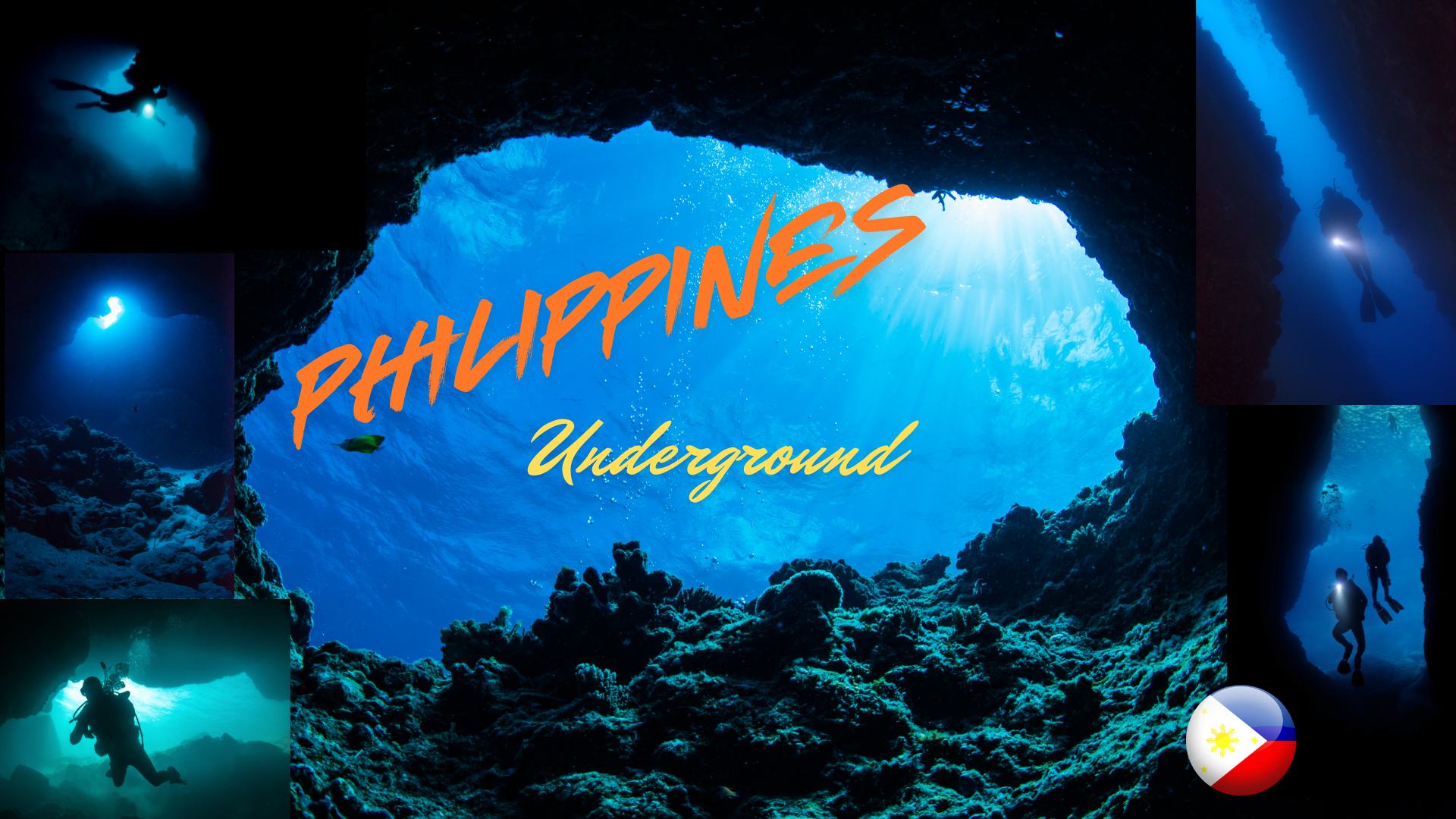
Underground Philippines — Cave Exploration

Beneath the country's famous reefs and islands is a much less visible world of submerged limestone systems. Philippine cave diving has a strong exploration, survey, conservation and scientific tradition — and some systems have played an important role in the development of technical cave diving in the country.

Philippines underground cave diving collage with divers in blue cave water
Surigao del Sur · Mindanao

Hinatuan Enchanted River / HERUCS

The brilliant blue river is the surface window into a substantial underwater cave system. Alex Santos made the first recorded cave exploration in 1999. Systematic exploration followed from 2010 with Dr. Alfonso “Doc” Amores, Bernil Gastardo and other Filipino cave divers. After Amores died during an exploration dive in 2014, work continued through controlled research and scientific survey. Today cave diving here is restricted to authorized study and research.

Mactan · Cebu

Pawod Underwater Cave System

Pawod is one of the foundations of modern Philippine cave diving. The established cave has permanent lines, low visibility and heavy silt in places, and has been used for specialist cave training. It is a genuine overhead environment — not an ordinary recreational dive.

Exploration across the archipelago

Filipino Cave Divers & Exploration Sites

Philippine explorers have documented systems including Mapating Deep in Batangas, Bababu Lake in Dinagat, caves in Surigao del Sur, cenotes and caves around Siargao, Palawan, Cebu, Bohol and Leyte. Much of this work combines exploration with mapping, biology, hydrology and conservation.

OVERHEAD ENVIRONMENT — SPECIALIST DIVING. Underwater caves are not normal recreational dive sites. Never enter beyond the daylight/open-water zone without proper cave-diving training, equipment, continuous guideline, gas planning and team procedures. Many Philippine systems are protected, unexplored or accessible only with official permission. The Hinatuan Enchanted River cave system is specifically restricted to authorized scientific study and research.

Want to know more

DiverInterCom — KCore Scuba Diving is growing section by section. This page will become part of the full platform for training, diving knowledge, media, gear, travel and ocean protection.

KCore Scuba blue logo banner
KCore Diving nudibranch logo